Our New FDA-Approved Treatment: Learn More

Patient-Reported Outcomes and Health-Related Quality of Life With Taletrectinib in Advanced ROS1+ NSCLC From the TRUST-II Study

Yasir Elamin,1 Scott Owen,2 Lyudmila Bazhenova,3 Maurice Pérol,4 Filippo de Braud,5 Pilar Garrido Lopez,6 Benjamin Besse,7 Wei Wang,8 Xianyu Zhang,8 Geoffrey Liu,9 Caicun Zhou10

1MD Anderson Cancer Center, University of Texas, Houston, TX, USA; 2McGill University Health Centre, Montreal, QC, Canada; 3UC San Diego Moores Cancer Center, San Diego, CA, USA; 4Léon Bérard Cancer Center, Lyon, France; 5University of Milan, Milan, Italy; 6University Hospital Ramón y Cajal, Madrid, Spain; 7Gustave Roussy, Paris-Saclay University, Villejuif, France; 8Nuvation Bio Inc., New York, NY, USA; 9Princess Margaret Cancer Centre, Temerty School of Medicine, University of Toronto, Toronto, ON, Canada; 10Shanghai East Hospital and Thoracic Cancer Institute, Tongji University School of Medicine, Shanghai, China

Presented at the American Society of Clinical Oncology (ASCO) Annual Meeting | May 29 – June 2, 2026 | Chicago, IL, USA | For more information, please contact Dr Elamin: YYElamin@mdanderson.org

Jump to a section:

Background

  • Taletrectinib is a next-generation, CNS-active, selective ROS1 TKI approved in the US, Japan, and China for the treatment of patients with locally advanced or metastatic ROS1+ NSCLC1–3
  • Taletrectinib has demonstrated robust efficacy and a manageable safety profile in patients with advanced or metastatic ROS1+ NSCLC from two Phase 2 studies, TRUST-I (NCT04395677) and TRUST-II (NCT04919811) (Table 1)4,5

Table 1. Pooled Data From TRUST-I and TRUST-II4,5
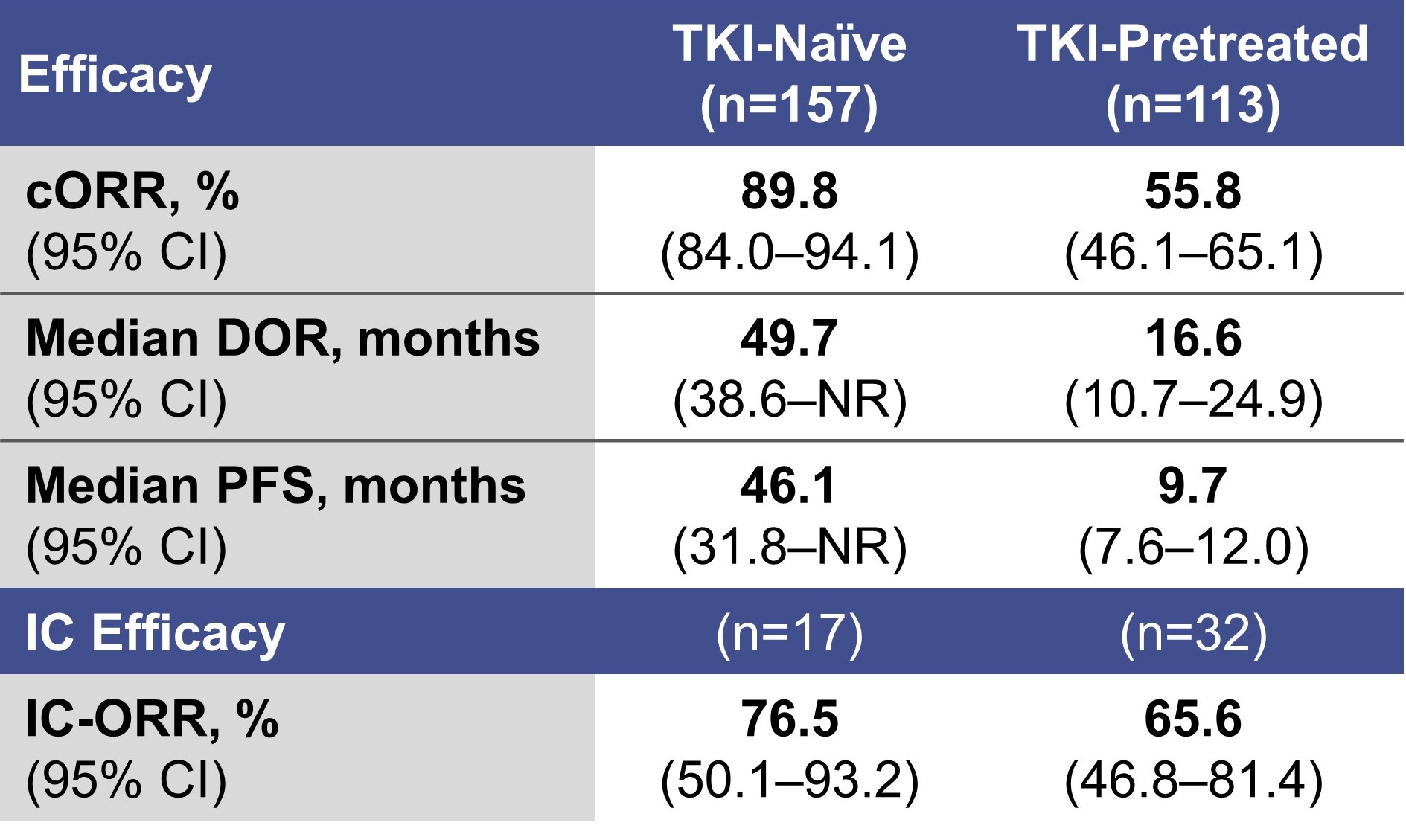
  • With a median DOR of 49.7 months in TKI-naïve patients,4 it is important to understand the impact of taletrectinib on HRQoL over time
  • Here we report PRO/HRQoL outcomes from TRUST-II

Methods

  • The study design of TRUST-II has been previously reported2
    • Briefly, patients with locally advanced or metastatic ROS1+ NSCLC were treated with taletrectinib 600 mg once daily in 21-day cycles
  • HRQoL and PROs were evaluated using the EORTC QLQ-C306 and QLQ-LC137 questionnaires in English-speaking patients from North America and Europe
  • Data were collected at screening, on D1 of every cycle until C9D1, then on D1 of every three cycles until C27D1 (or every two cycles for patients enrolled under earlier protocol versions), and every four cycles thereafter until end of treatment (within 7 days of last dose)
  • Changes from baseline over time were summarized using descriptive statistics; a change of ≥10 points from baseline was considered clinically meaningful8
  • Time to first improvement (TFI) was assessed using Kaplan–Meier methods

Results

  • At data cutoff (August 31, 2025), the PRO analysis set included 69 patients across all TRUST-II cohorts (23 TKI-naïve and 46 TKI-pretreated; Table 2)

Table 2. Baseline Characteristics (PRO Analysis Set)
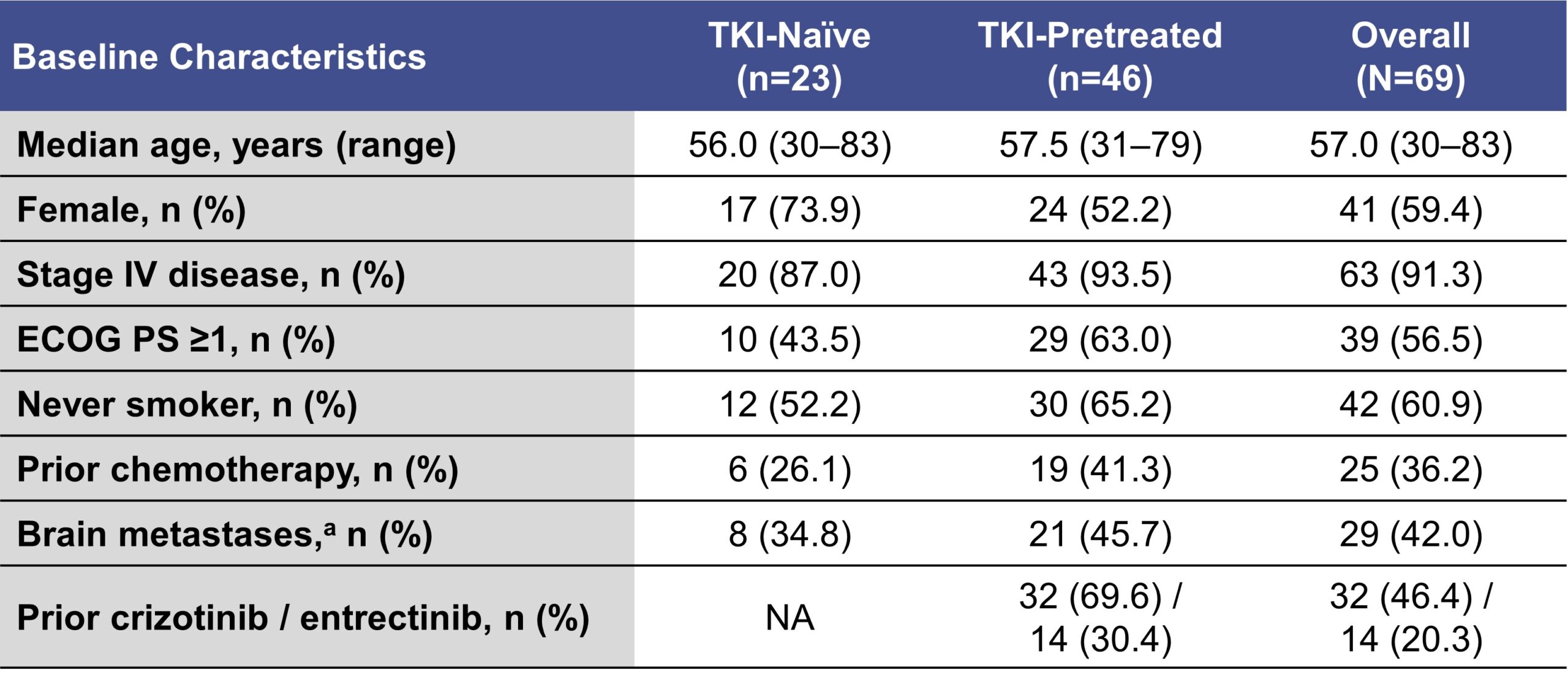
aAssessed by IRC per mRECIST v1.1.

  • Mean changes from baseline improved or remained stable for most domains across both questionnaires
  • Scores for GHS/QoL and cognitive function improved or remained stable over time from baseline in the overall population, as well as in TKI-naïve and TKI-pretreated subgroups (Figure 1)
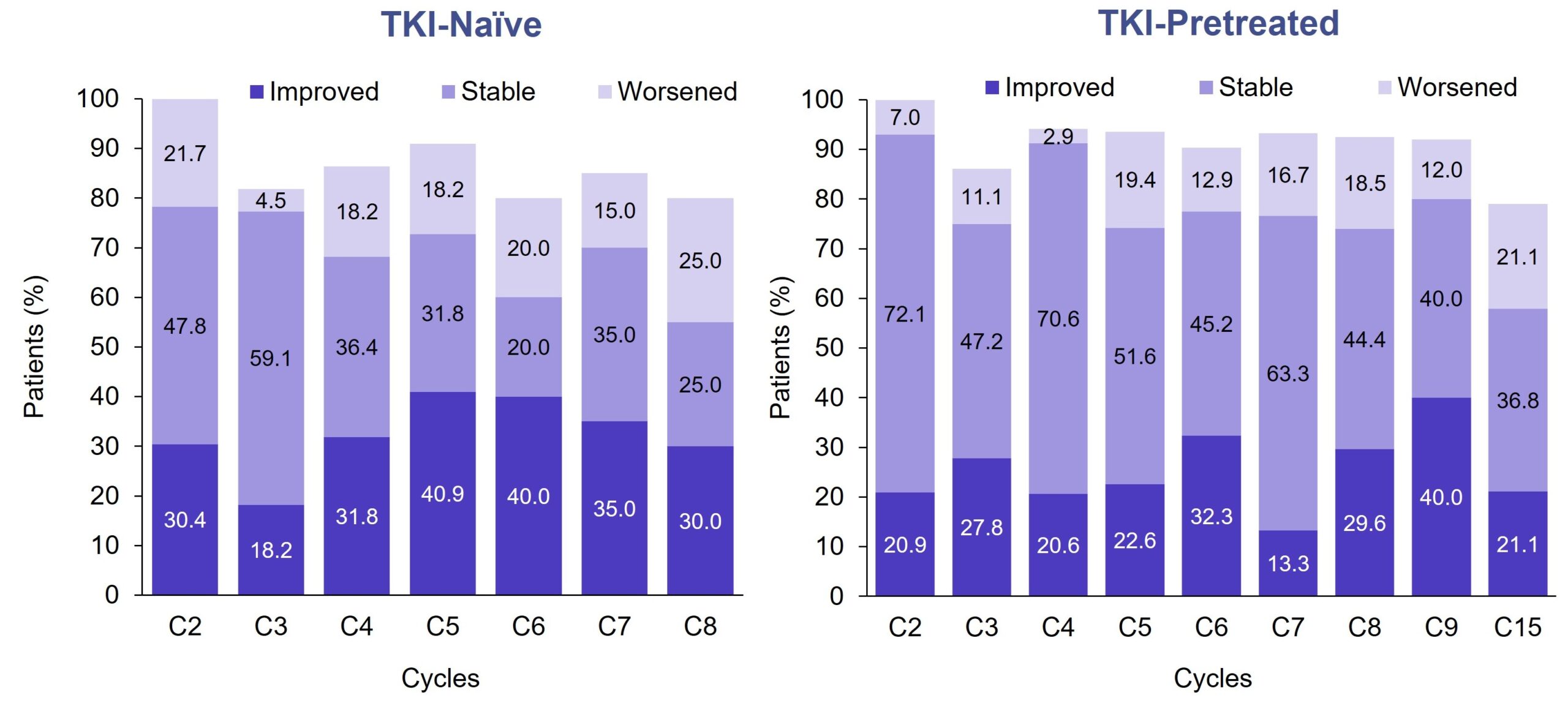
  • Overall, 88% of patients demonstrated improved or stable scores for GHS/QoL at the first on-treatment assessment (C2D1), including 93% of TKI-pretreated patients. The majority of scores improved or remained stable across subsequent assessment timepoints in TKI-naïve and TKI-pretreated subgroups (Figure 2)
  • Mean cognitive function score improved or remained stable throughout treatment, with the majority (63–77%) of patients showing improvement or stability and only 9–23% of patients showing worsening at various assessments

Figure 1. QLQ-C30: Change From Baseline in GHS/QoL and Cognitive Function
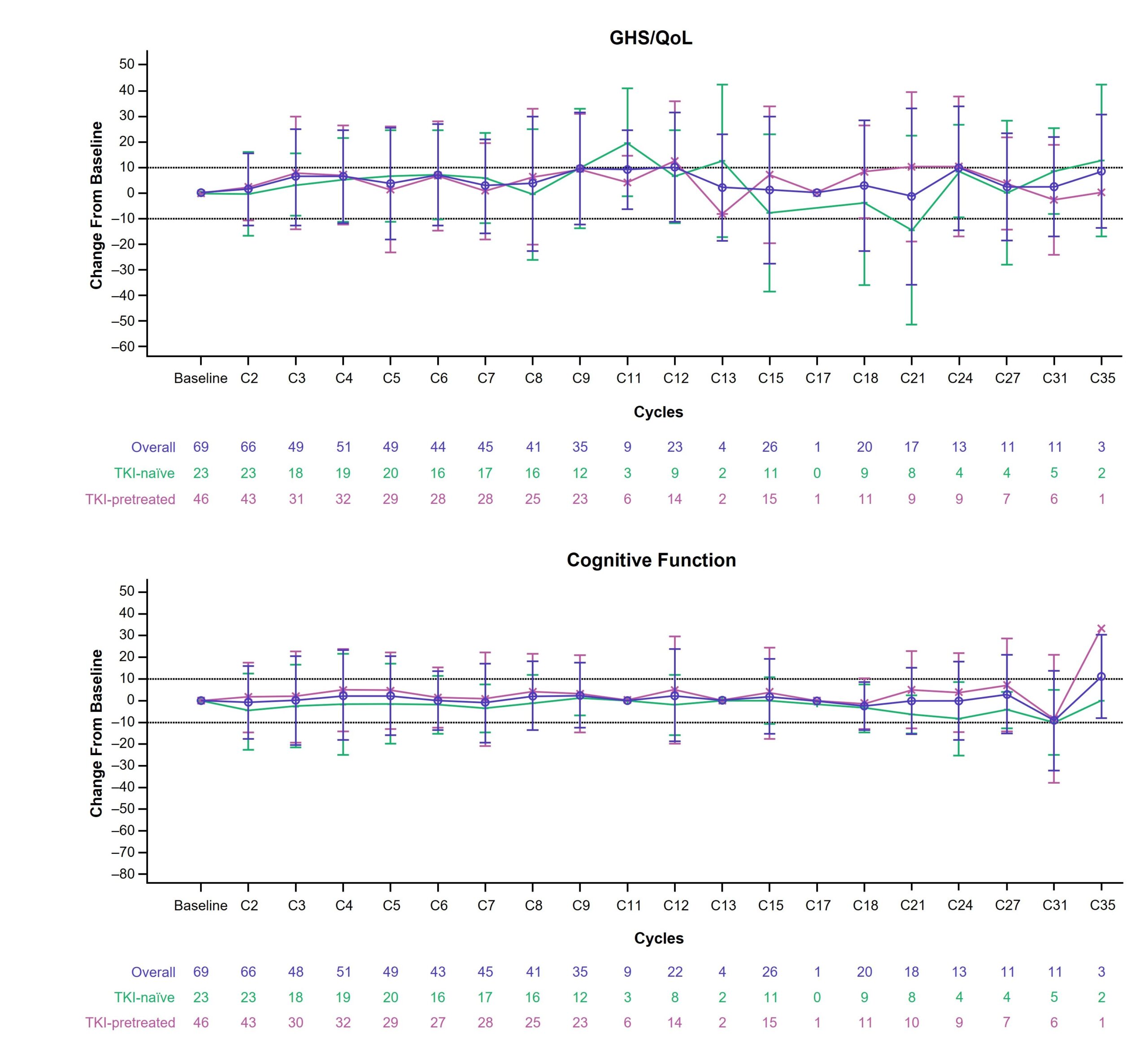
 

Figure 2. QLQ-C30: GHS/QoL Responder Analysis by Visita
aData reported only for visits with >70% completion rates.

  • At the first assessment (C2D1), 84–96% of patients demonstrated improved or stable scores for coughing and dyspnea in both TKI-naïve and TKI-pretreated patients, with no worsening of coughing observed in TKI-naïve patients (Figure 3)

Figure 3. QLQ-LC13: Dyspnea and Coughing Scores at C2D1

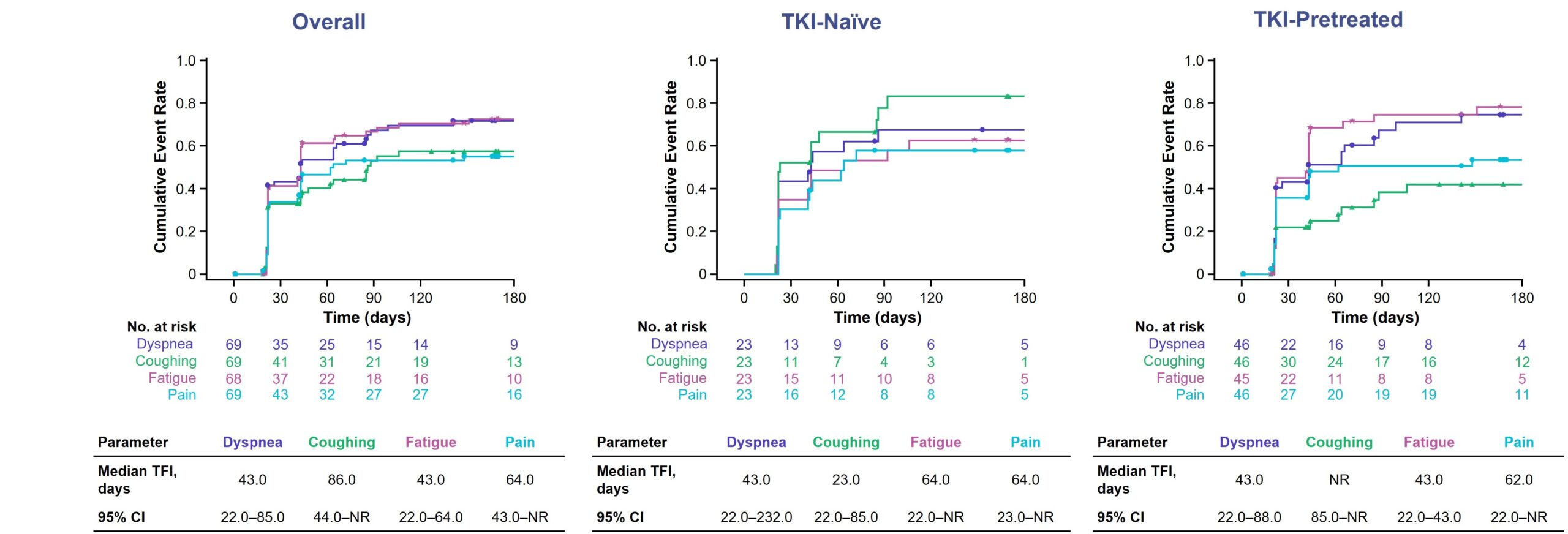
  • Common disease-related symptoms, including pain and fatigue (QLQ-C30), and dyspnea and coughing (QLQ-LC13), showed consistent clinically meaningful improvement through ~8 months of treatment, with a median TFI of 1–3 months across all groups (Figure 4)
  • Dyspnea and fatigue improved with a median TFI of 43 days (~6 weeks) in the overall population
  • Coughing improved rapidly in TKI-naïve patients within the first treatment cycle, with a median TFI of 23 days

Figure 4. QLQ-C30 and QLQ-LC13: Cumulative Incidence of Improvement for Selected Symptom Items
Conclusions

  • Taletrectinib was associated with improved or stable HRQoL in the majority of patients, including in the overall population as well as in TKI-naïve and TKI-pretreated subgroups
  • Taletrectinib resulted in rapid relief of disease-related symptoms, which is consistent with previously published clinical response data
  • Signals of cognitive function decline have been observed among other ROS1 TKIs9–11
  • In contrast, taletrectinib demonstrated preservation of cognitive function throughout long-term treatment in TRUST-II
  • Together with previously published data for taletrectinib demonstrating robust and durable efficacy and a manageable safety profile, these data further support the use of taletrectinib in TKI-naïve and TKI-pretreated patients with advanced ROS1+ NSCLC4,5

Abbreviations

c, confirmed; C, cycle; CI, confidence interval; CNS, central nervous system; D, day; DOR, duration of response; ECOG PS, Eastern Cooperative Oncology Group performance status; EORTC, European Organisation for Research and Treatment of Cancer; GHS, global health status; HRQoL, health-related quality of life; IC, intracranial; IRC, independent review committee; mRECIST v1.1, modified Response Evaluation Criteria in Solid Tumors version 1.1; NA, not applicable; NR, not reached; NSCLC, non-small cell lung cancer; ORR, objective response rate; PFS, progression-free survival; PRO, patient-reported outcome; QLQ-C30, Quality of Life Questionnaire 30-item core module; QLQ-LC13, Quality of Life Questionnaire 13-item lung cancer module; QoL, quality of life; ROS1, ROS proto-oncogene 1; TFI, time to first improvement; TKI, tyrosine kinase inhibitor; US, United States

References

  1. Katayama R, et al. Nat Commun 2019;10:3604
  2. Nagasaka M, et al. Future Oncol 2023;19:123–135
  3. IBTROZI® (taletrectinib). Prescribing Information. Nuvation Bio Inc. 2025
  4. Bazhenova L, et al. Cancer Res 2026;86(8_Suppl):CT300
  5. Liu G, et al. Cancer Res 2026;86(8_Suppl):CT244
  6. Fayers P, et al. EORTC QLQ-C30 Scoring Manual. (3rd ed.) 2001
  7. Bergman B, et al. Eur J Cancer 1994;30:635–642
  8. Osoba D, et al. J Clin Oncol 1998;16:139–144
  9. Michels S, et al. J Thorac Oncol 2019;14:1266–1276
  10. Paz-Ares L, et al. ESMO Open 2021;6:100113
  11. McManus S, et al. NACLC 2025 (Poster PP01.41)

Acknowledgments

We would like to thank all patients who participated in this study, the study investigators, and their staff. We thank Hui Huang from CSD Partners LLC for their consultation and valuable input. This study was sponsored by Nuvation Bio Inc. Medical writing support was provided by Jane Blackburn, PhD, of Ashfield MedComms, an Inizio company, and was funded by Nuvation Bio Inc.

Explore our other publications