Our New FDA-Approved Treatment: Learn More

Taletrectinib, a Next-Generation Selective ROS1 Inhibitor, Exhibits a Differentiated Profile in ROS1 Fusion Models

Hitisha K. Patel, Laura Heller, Kevin Bowman, Zheyi Hu, Yan Zhang, Irma M. Grossi, Max Pan, and Gary Hattersley

Nuvation Bio, Inc., New York, NY

Presented at the World Conference on Lung Cancer | September 06–09, 2025 | Barcelona, Spain

Jump to a section:

Background

  • ROS1 gene fusions occur in approximately 2% of patients with NSCLC1
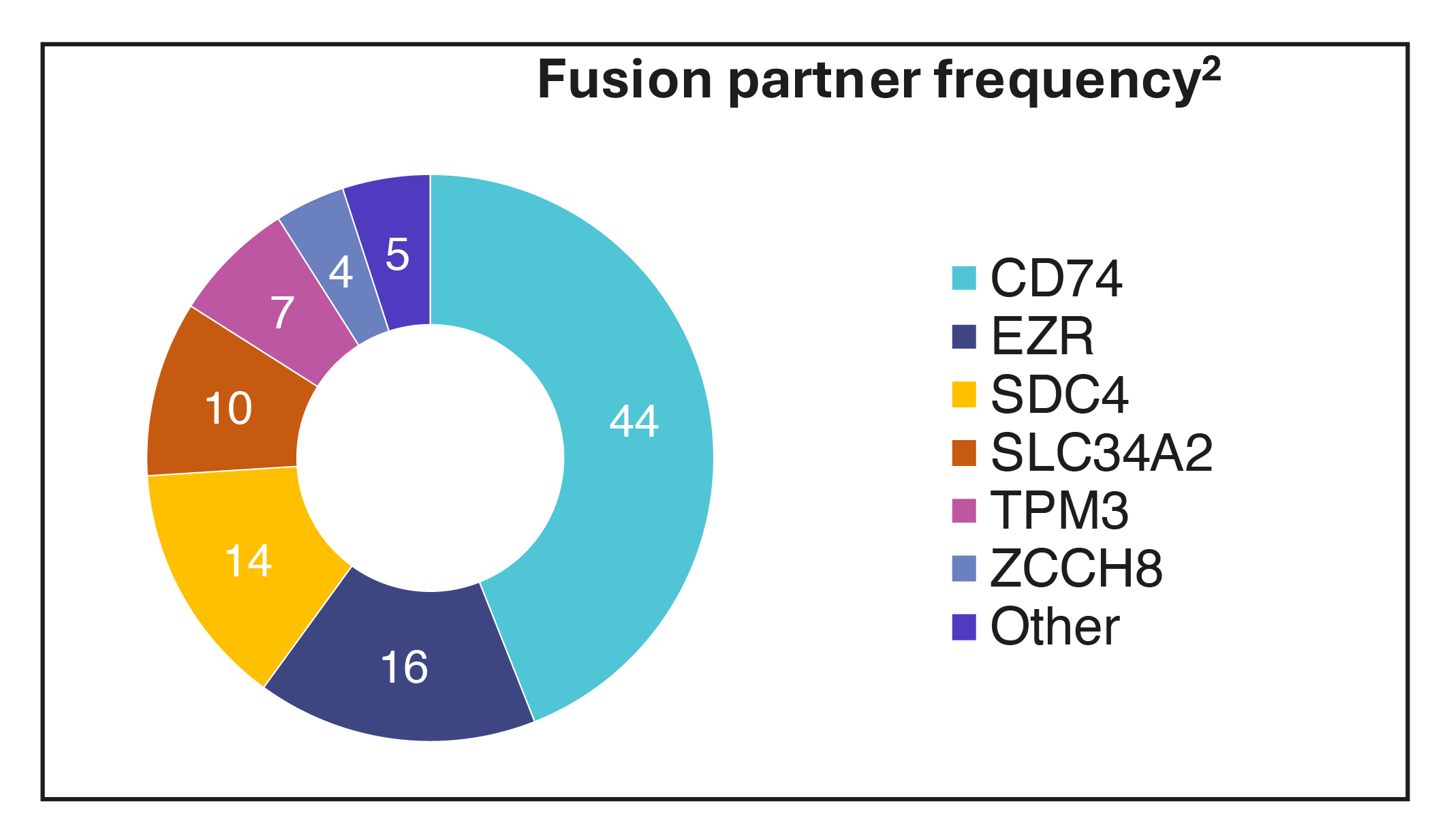
    • ROS1 gene fusions result in increased ROS1 autophosphorylation and constitutive activation3
  • While crizotinib, entrectinib, and repotrectinib are approved by the US FDA for the treatment of ROS1+ NSCLC, an unmet need remains for effective and tolerable treatment options1
    • Crizotinib and entrectinib are not active against many resistance mutations, including ROS1G2032R, the most common mutation1
    • Repotrectinib, while active in the CNS, is associated with a high rate of neurologic AEs such as dizziness (65%), ataxia (28%), and cognitive impairment (25%), which are attributed to the drug’s inhibition of TRKB4
  • Taletrectinib is currently approved in China and the United States for the treatment of adult patients with locally advanced or metastatic ROS1+ NSCLC5
    • Taletrectinib is an oral next-generation, CNS-active, ROS1 TKI with selectivity over TRKB6
    • Pooled results from the TRUST-I (NCT04395677) and TRUST-II (NCT04919811) studies of taletrectinib demonstrated a cORR of 89%, an intracranial cORR of 77%, a mDOR of 44.2 months, and mPFS of 45.6 months in patients with advanced ROS1+ NSCLC who had not previously received a ROS1 TKI6

Methods

Study Design

  • Biochemical inhibition: In vitro kinase activity was detected via Reaction Biology HotSpot kinase assay and measured using the P81 filter-binding method7
  • In vitro cell viability: Ba/F3 cells harboring the respective ROS1 wild type or mutant fusions were plated at a density of 500–2500 cells/well and treated the next day with respective treatments; viability was assessed after 5 or 6 days of treatment, and data are presented as IC50 values, where 50% of growth inhibition relative to control was observed
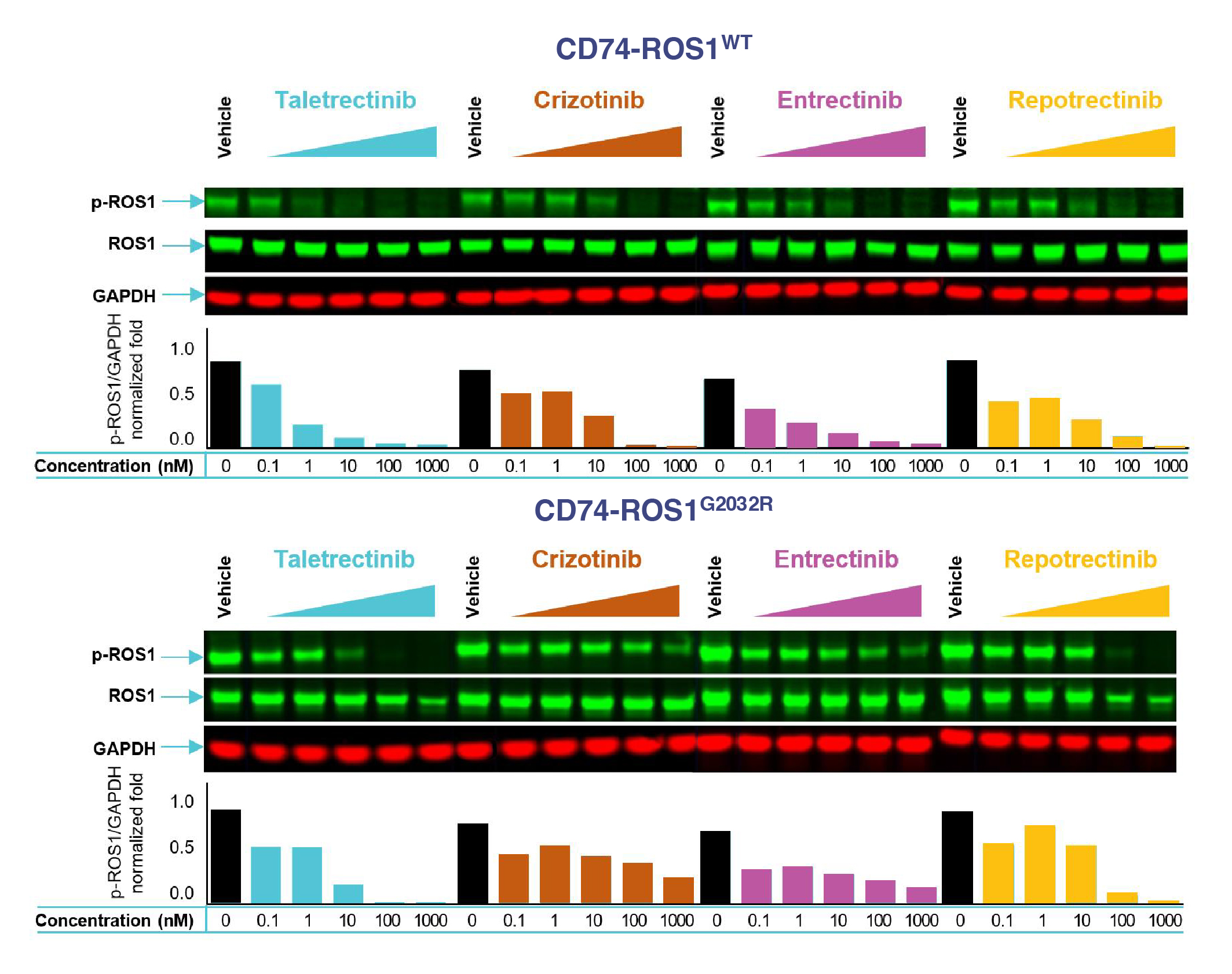
  • Western blotting: Cells were harvested 2 hours postdosing, and protein expression was analyzed using the antibodies Phospho-ROS1 Tyr 2274 (CST-3028), ROS1 (CST-3287, OTI1A1-Invitrogen), and GAPDH (Proteintech_60004); protein expression was normalized to GAPDH expression
  • Mutagenesis resistance screen: CD74-ROS1 WT cells were treated with ENU for 16 h. Cells were then seeded into 96 well plates (2 plates per treatment group) and treated with vehicle or a TKI for 4 weeks. Resistant clones were counted and sent for sequencing
  • In vivo CDX/PDX: CDX or PDX studies were run as per standard practice
    • Briefly, cells or tumor fragments were implanted in mice, and mice were housed in pathogen-free housing with access to sterilized food and water
      ad libitum
    • Taletrectinib, crizotinib, entrectinib, or repotrectinib was administered orally
    • For subcutaneous models, tumors were measured twice/week and tumor volume was calculated using the formula (L*W2)*0.52; for intracranial models, survival of mice was evaluated8

Results

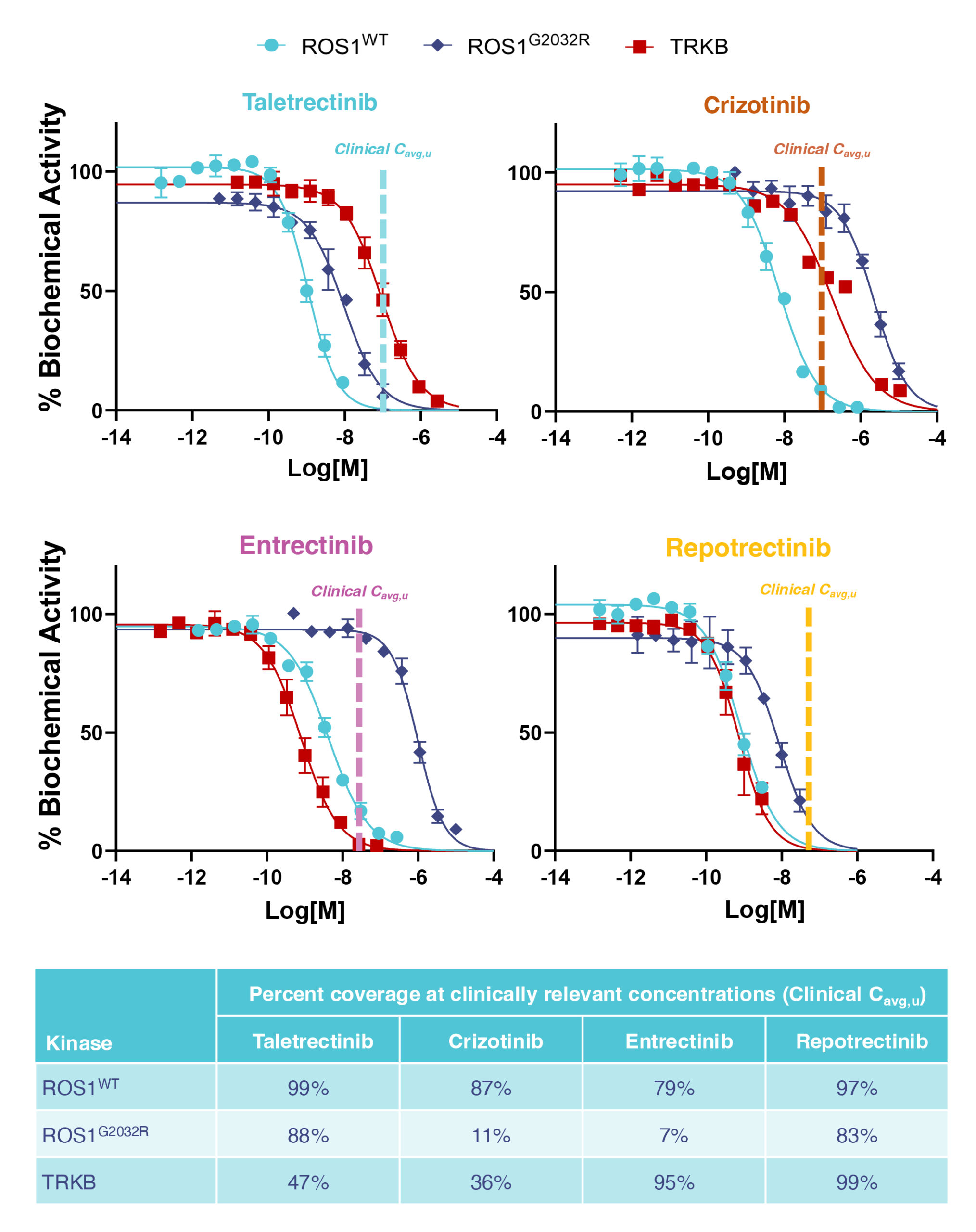
Taletrectinib Demonstrates Effective Target Coverage for ROS1WT and ROS1G2023R at Clinically Relevant Concentrations
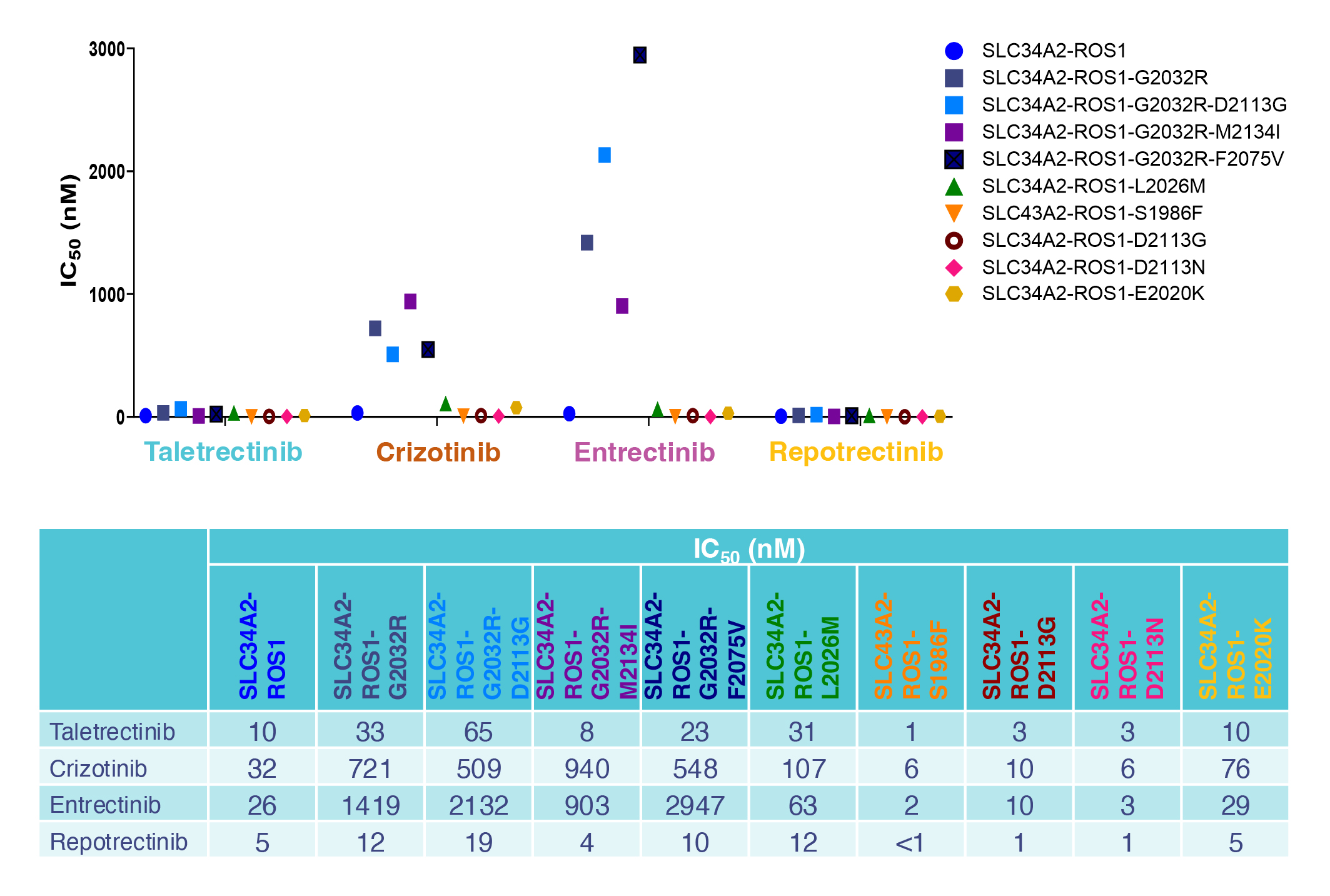
Taletrectinib Demonstrates Activity Against Single and Double ROS1G2032R Mutants Resistant to Crizotinib and Entrectinib
Taletrectinib Prevents Emergence of Resistance Clones at Clinically Relevant Concentrations
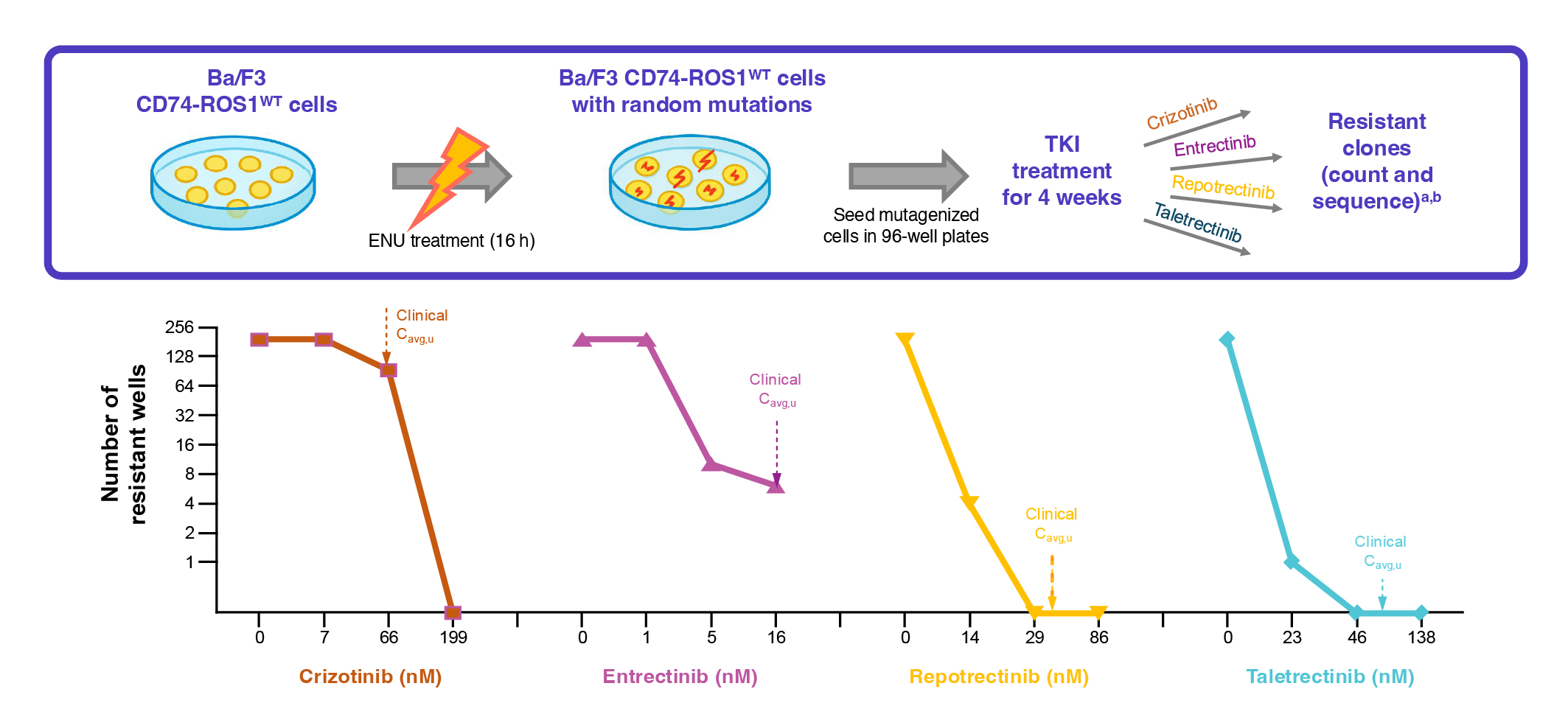
aSequencing data pending. bTaletrectinib treatment group was followed for an additional 2 weeks; no resistance clones emerged.

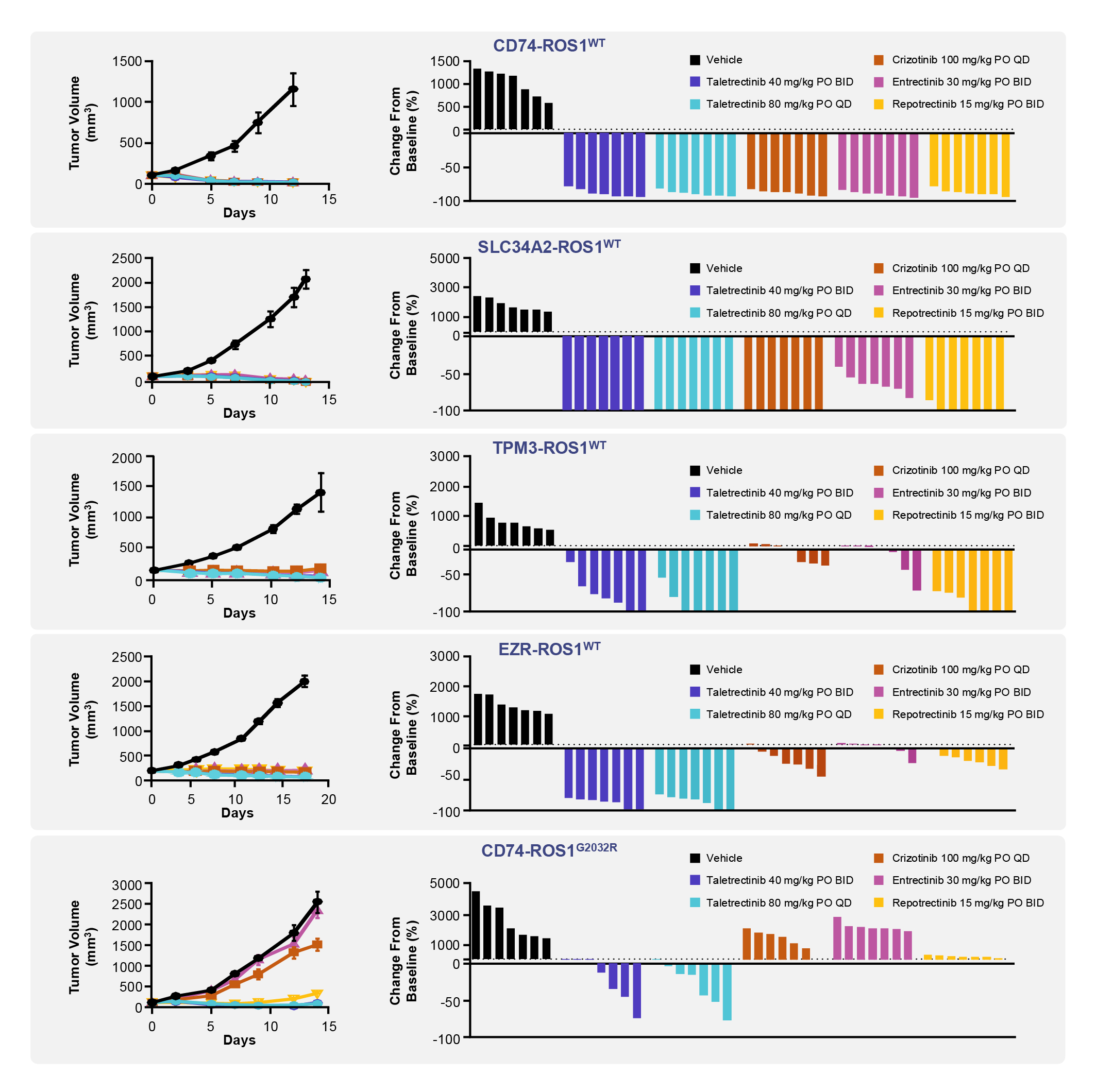
Taletrectinib Demonstrates Growth Inhibition and Tumor Regression in Models Harboring Prevalent ROS1 Fusions
Taletrectinib Prolongs Survival in LU-01-0414 Intracranial Mouse PDX Model Harboring an SDC4-ROS1 Fusion
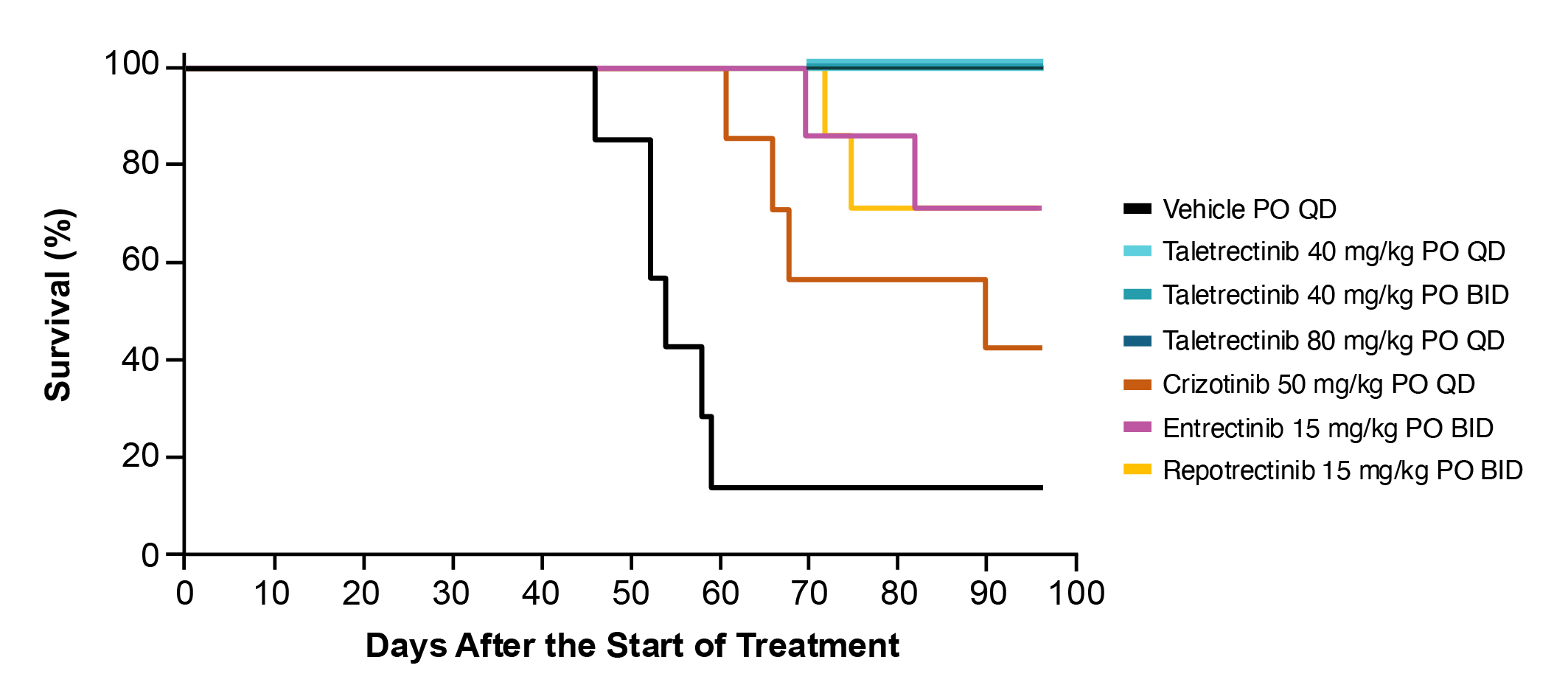
N=7 per treatment.

Taletrectinib Inhibits ROS1 Phosphorylation in Both ROS1WT and ROS1G2032R Resistance Mutation Settings
Conclusions

  • Taletrectinib demonstrates complete inhibition of ROS1WT and selectivity over TRKB at clinically relevant concentrations, whereas repotrectinib and entrectinib did not demonstrate any selectivity over TRKB, a kinase whose inhibition is associated with CNS toxicity
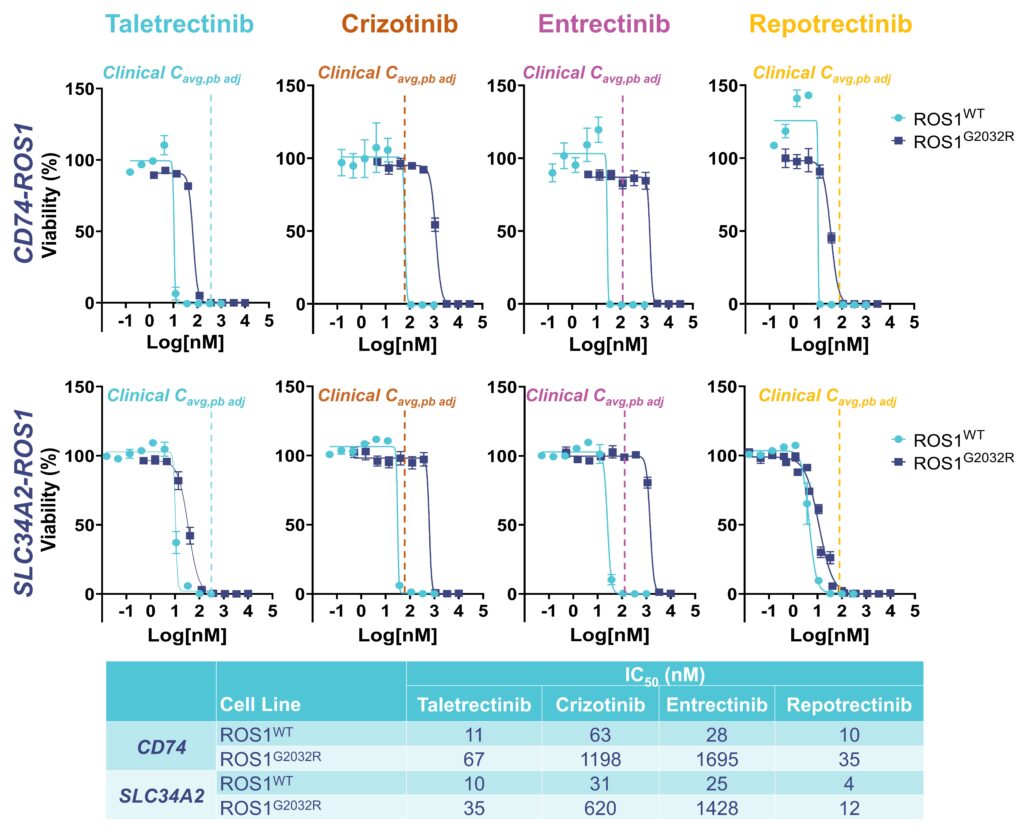
  • Taletrectinib demonstrates complete inhibition of ROS1G2032R at clinically relevant concentrations, while crizotinib and entrectinib show little activity against this mutation
  • Taletrectinib demonstrated in vitro and in vivo activity against ROS1 regardless of fusion partner or resistance mutation, including the ROS1G2032R mutation, which is resistant to crizotinib and entrectinib
  • Taletrectinib treatment at clinically relevant concentrations prevented resistance in CD74-ROS1WT fusion-positive cells, whereas crizotinib and entrectinib treatment both lead to emergence of resistant clones
  • Taletrectinib demonstrated tumor regression in models harboring prevalent ROS1WT and ROS1G2032R fusions
  • Taletrectinib inhibits ROS1 phosphorylation in ROS1WT and ROS1G2032R models
  • Taletrectinib treatment prolonged survival (>100 days) in mice implanted intracranially with a PDX model harboring a SDC4-ROS1 fusion

Supplement

aUS FDA label as of July 15, 2025, and Crizotinib NDA 202570 Clinical Pharmacology Review (steady state). bInternal data protein binding determination using ultracentrifugation at 1 mM. cExternal data from AACR 2024 https://doi.org/10.1158/1538-7445.AM2024-LB182. dIn vivo average plasma concentration over the dosing interval (Cavg) after correcting for the difference in protein binding between the in vivo system (human plasma) and the in vitro assay conditions (10% FBS).

Taletrectinib Inhibits Cell Growth in Models Harboring ROS1WT and ROS1G2032R Fusions
Abbreviations

AE, adverse event; ATP, adenosine triphosphate; AUC, area under the curve; BID, twice daily; Cavg, average concentration (AUC/24hr); Cavg,pb adj, protein binding adjusted average drug concentration; Cavg,u, average unbound concentration; CDX, cell line–derived xenograft; CNS, central nervous system; cORR, confirmed objective response rate; ENU, N-ethyl-N-nitrosourea; FBS, fetal bovine serum; FDA, Food and Drug Administration; Fu, fraction unbound; GAPDH, glyceraldehyde-3-phosphate dehydrogenase; IC50, half-maximal inhibitory concentration; mDOR; median duration of response; mPFS, median progression-free survival; NSCLC, non-small cell lung cancer; PDX, patient-derived xenograft; PO, orally; p-ROS1, phosphorylated ROS1; QD, once daily; ROS1, proto-oncogene tyrosine-protein kinase 1; ROS1+, ROS1 positive; SLC34A2, solute carrier family 34 member 2; TKI, tyrosine kinase inhibitor; TRKB, tropomyosin receptor kinase B; WT, wild type.

References

  1. Boulanger MC, et al. Oncologist. 2024;29:943-956.
  2. Drillon A, et al. Nat Rev Clin Oncol. 2021;18(1):35-55.
  3. Davies KD, et al. Clin Cancer Res. 2013;19:4040-4045.
  4. Augtyro [package insert]. Princeton, NJ: Turning Point Therapeutics, Inc., a Bristol Myers Squibb company; 2024. 
  5. Ibtrozi [package insert]. Burlington, MA: Nuvation Bio, Inc.; 2025.
  6. Pérol M, et al. J Clin Oncol. 2025;43(16):1920-1929.
  7. Anastassiadis T, et al. Nat Biotechnol. 2011;29:1039-1045.
  8. Hui Q, et al. Cancer Res. 2022;82(suppl 12):5989.

Acknowledgments

This study was sponsored by Nuvation Bio, Inc. Writing and graphical support were provided by Peloton Advantage, LLC, an OPEN Health company, and funded by Nuvation Bio.

Explore our other publications